
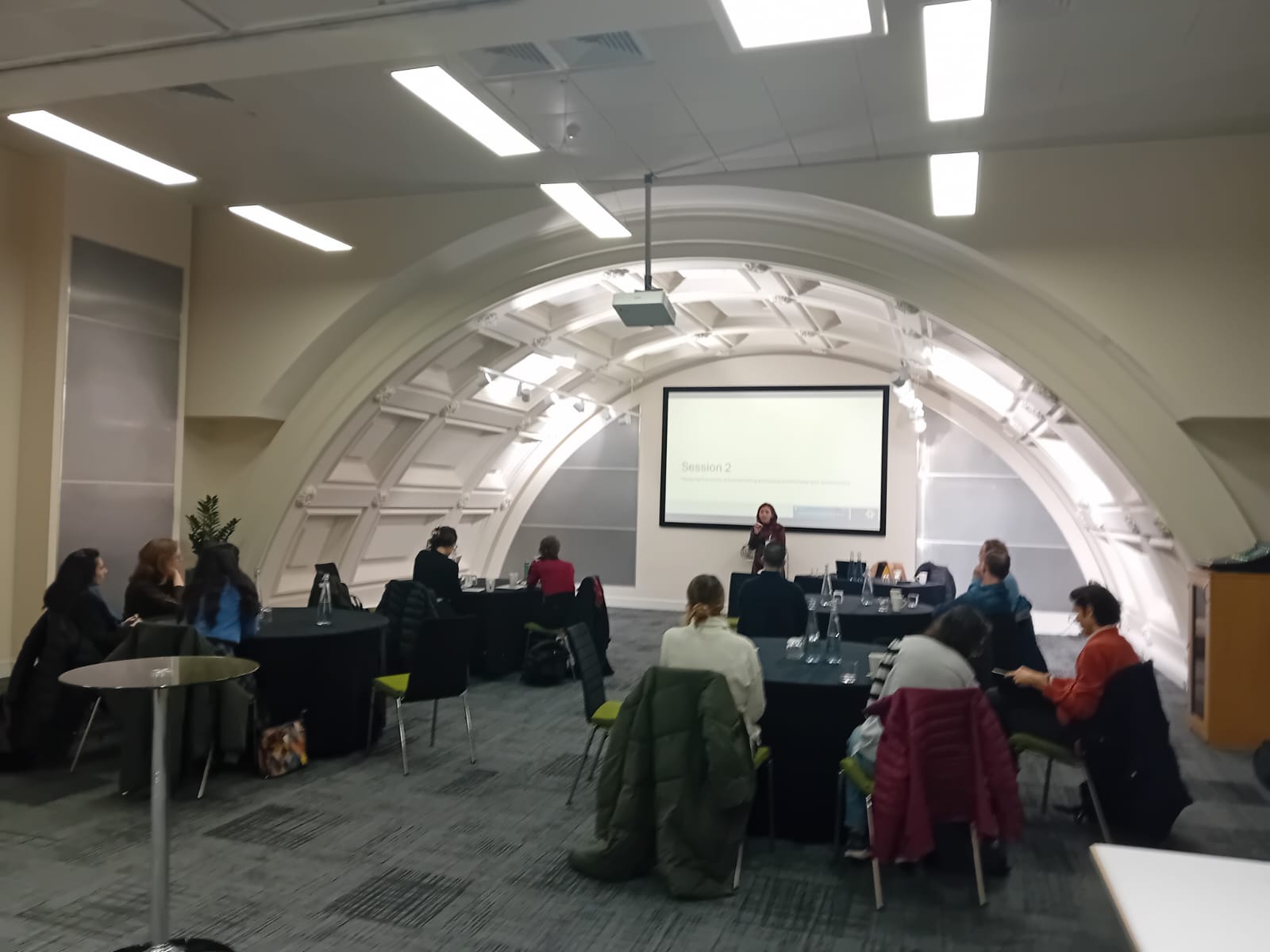
Key to powering up collective wisdom is the humble, open, honest and constructive exploration and exchange of ideas among equals. Like the ancient Greek agoras, our flagship deliberation spaces are built on the belief that no one has a monopoly on the truth, yet everyone has expertise to contribute to the shared pursuit of knowledge.
Through a highly dialogical and participant-centred, yet structured approach to deliberation, the Agora enables systemic understanding, and fosters reflection, collaboration and innovation within a safe space.
With meticulous attention to detail and a commitment to inclusive participation, we create truly pluralistic spaces for dialogue, physical and virtual, that bring together over a series of workshops key stakeholders— a purposefully diverse community of typically 20-30 people—to explore a problem using our deliberation method.
The goal is to identify windows for action, manage disagreements and find common ground.
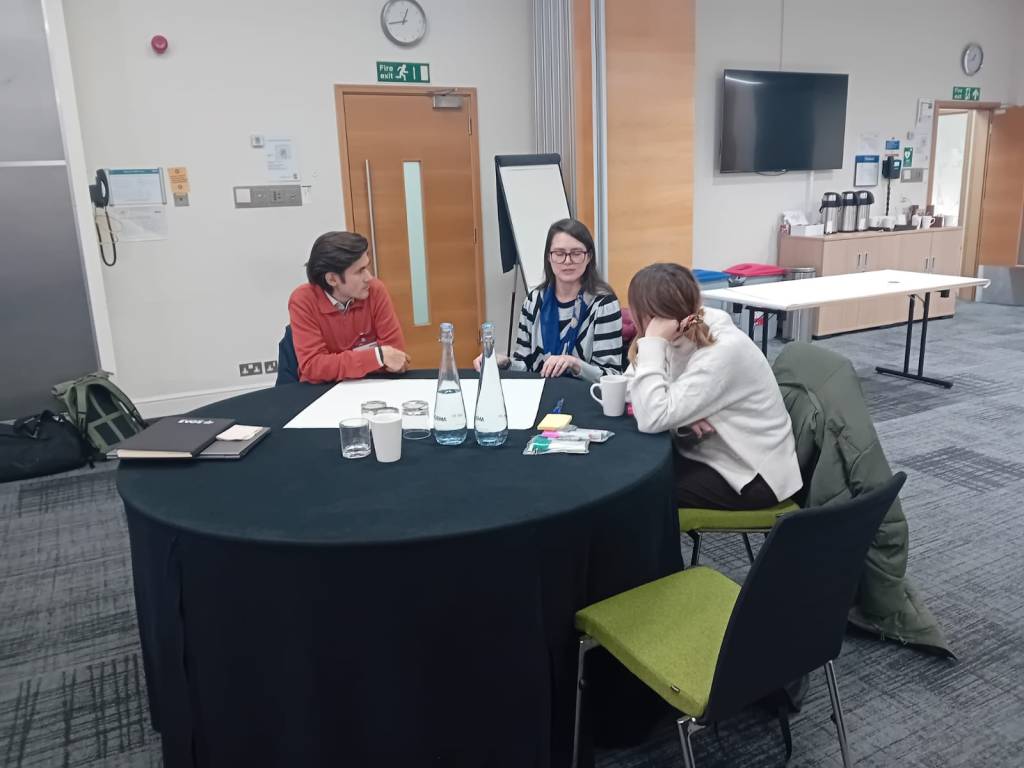
Through a variety of systems thinking tools and Socratic-style deliberation, we empower people to ‘think together’ and ‘think differently’. Our process is structured yet flexible and always based on genuine dialogue and diverse, inclusive participation.
Creating and mobilising knowledge in this way can help at different stages of the decision- making process, from defining the problem and its boundaries, developing a vision and strategy, imagining the future, to finding consensus and identifying options for action.
We come from academia. Our approach draws on rigorous social science research and philosophical thinking. Yet our methods are experimental and always evolving. We can discuss which ones may be more suitable to your specific needs.
We can also run Agora sprints, using the same format but with fewer participants and within a shorter time-frame.

The Agora Approach
Our Agoras offer the means to foster reflection, collaboration and innovation within a safe space. Our approach has three main components :
Position Analysis
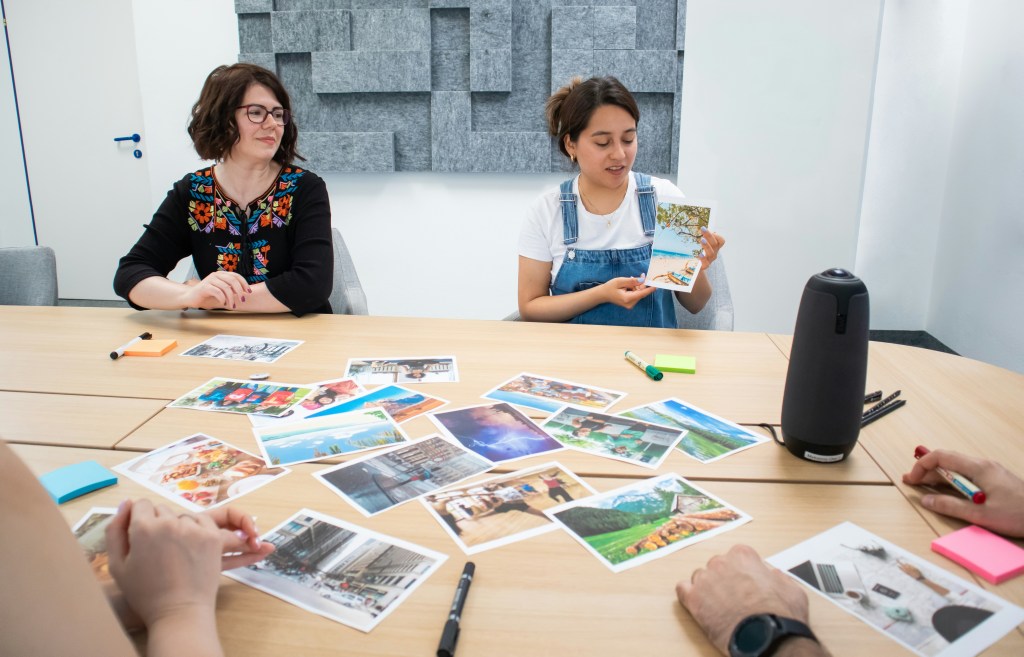
Through highly interactive exercises and ice-breakers, we help participants understand who is in the ‘room’ and unveil potential biases created by their specific social positions
Systemic Analysis
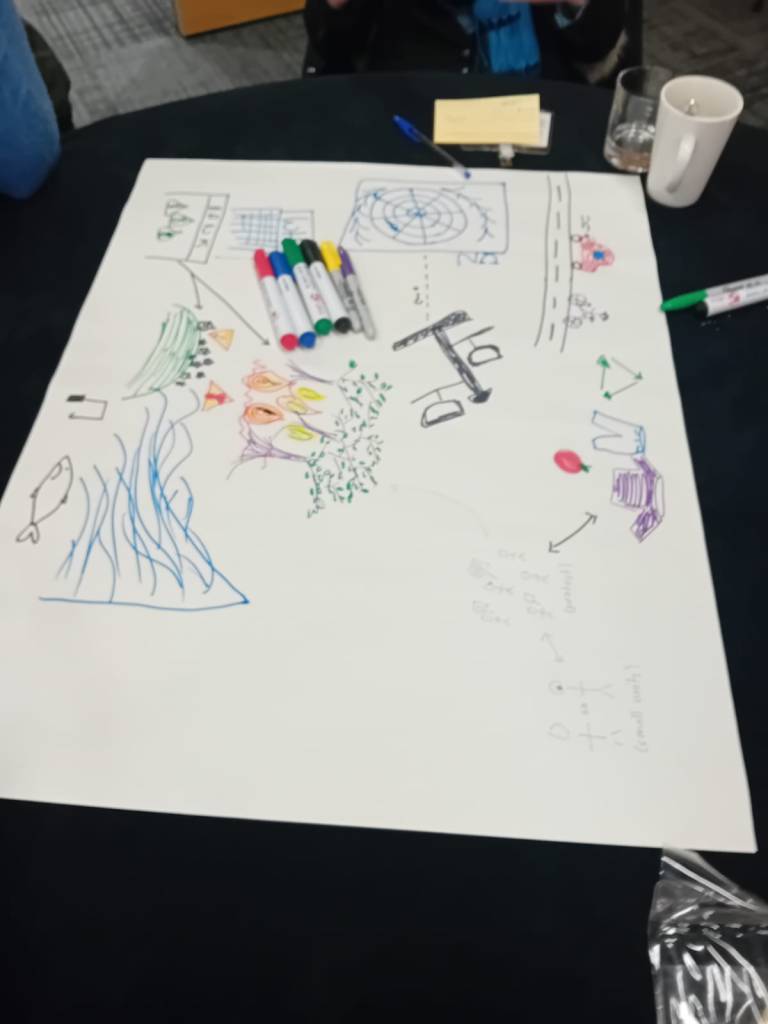
Through our effective facilitatin, we guide the group to apply systems thinking tools (pictures, conceptual maps, etc.) to collectively define the problem and its boundaries, identify contributing causes, interconnections, feedback loops and emergent properties, and understand the intended or unintended consequences of different actions.
Ethical Analysis

We apply philosophical reasoning to explore the moral and practical trade-offs involved in any action. Through a structured process of collective inquiry that is caring, collaborative, critical and creative, people come to understand one another and work out what really matters, what’s needed, what’s possible and what’s right.
The Agora Suite
Our Agoras can be tailored to cater to different organisational needs, from sensemaking to participatory decision processes.
Sense making
“If I had an hour to solve a problem, I’d spend 55 minutes thinking about the problem and 5 minutes thinking about solutions.”
Albert Einstein
Properly defining problems is essential to finding innovative and creative solutions, undertstanding its root causes and developing holistic solutions that tackle the often multiple and interconnected dimensions. Yet, this key part of the process is so often missed in the rush to ‘get things done’. We help you step back and understand what is really going on, expose and challenge your own assumptions and implicit biases, and save time and resources otherwise spent on inneffective or superficial solutions.
Participatory processes
“If you want to go fast, go alone; if you want to go far, go together”
African Proverb
Whilst many organisations engage in consultative processes to inform decision making, participatory approaches enhance the legitimacy and quality of these decisions by giving stakeholders, not just an opportunity to voice their opinion but a meaningful role in the decision-making process. People work through the issues together, learn from one another and gain a greater understanding of the issues. The end result is a shared solution that everyone recognises as fair.
Futures thinking
“Skate to where the puck is going, not where it has been.”
Wayne Gretzky
Futures thinking is a powerful approach to exploring a broad spectrum of potential futures with depth, honesty, and strategic insight. It enables the development of plans that stand strong against uncertainty and change. By engaging a variety of perspectives, it disrupts groupthink and reveals current perceptions and deeply held assumptions. This introspection empowers us to confidently identify and tackle the challenges that may arise in the long term.
Collective Intelligence Circles
“The wisdom of the many outweights the intelligene of the few”
Francis Galton
Our Collective Intelligence Circles (CIC) offer a safe and supportive environment to discuss your challenges with others who face or have faced similar issues. It offers the opportunity to join with a small group of people from other organisations to form a facilitated online group, where participants share experiences and support each other over time in understanding and addressing complex challenges.
 The Collective Intelligence Project